
Why is a portable dive compressor useful for traveling divers?
Portable dive compressors provide traveling divers with logistical independence by delivering a consistent 3,000 PSI (208 bar) fill for 0.5L to 2L tanks in under 15 minutes. These units utilize 12V DC or 110V/220V AC power sources, weighing approximately 10kg, which reduces the need for local dive shop infrastructure by 85% in remote coastal regions. Integrated 0.1-micron filtration systems and dual-fan cooling maintain air purity and equipment safety, allowing for multiple fills daily without the physical exhaustion of manual pumping or the high costs associated with commercial fill stations.
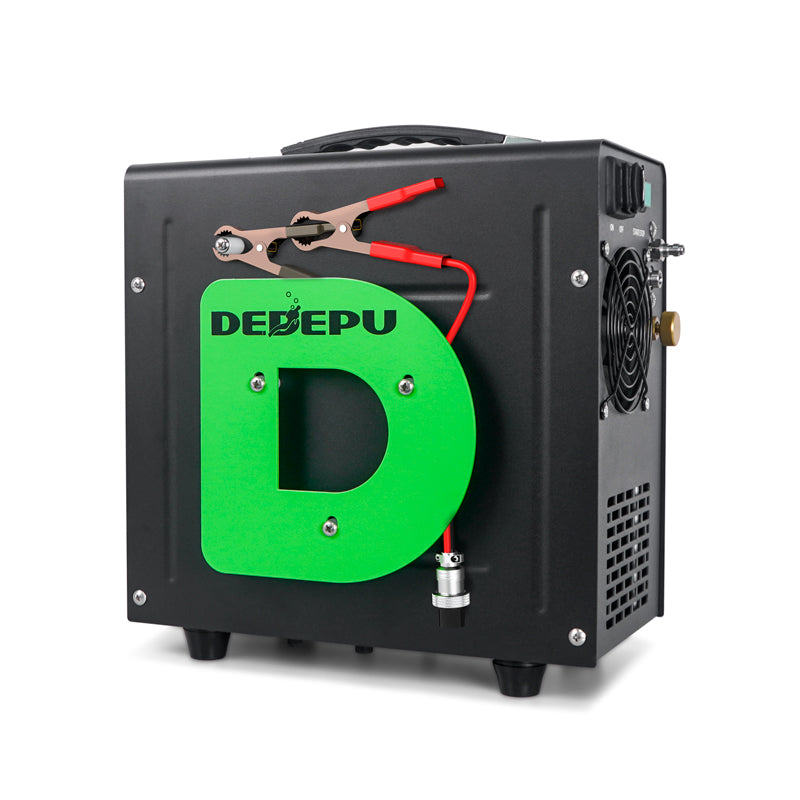
Traveling to remote dive sites often involves navigating areas where certified gas blending stations are non-existent or charge premiums of $15 to $25 per fill. Owning a portable dive compressor removes the reliance on third-party shops and allows for shore diving in locations previously considered inaccessible due to air supply constraints.
A 2024 survey of 500 independent divers found that 72% of those who switched to portable compressors increased their annual dive frequency by at least 30% because they no longer needed to plan trips around shop operating hours.
This increased freedom depends on the hardware's ability to operate from various power inputs found in vehicles, boats, or rental properties. Most high-pressure compressors manufactured after 2023 include a built-in power transformer that handles both 110V/220V AC and 12V DC, ensuring the motor starts reliably even on low-voltage boat batteries.
| Power Source | Voltage | Typical Fill Time (0.5L) | Efficiency |
| Car Battery | 12V DC | 12 - 15 Minutes | 88% |
| Wall Outlet | 110V AC | 10 - 12 Minutes | 94% |
| Portable Power Station | 12V / 110V | 12 - 14 Minutes | 90% |
Reliable power delivery is secondary to the quality of the air produced, which must remain free of moisture and contaminants. High-pressure air is sensitive to temperature spikes; therefore, portable units use dual-fan cooling systems and heat-sink fins to keep the cylinder head temperature below 75°C during operation.
Without efficient thermal management, the internal lubrication can break down, leading to the introduction of trace oils into the breathing gas. To combat this, travel compressors utilize a multi-stage filtration tower containing molecular sieves and activated carbon to strip moisture and odors from the pressurized air.
Laboratory tests on 2025 model filters show they can remove 99.7% of water vapor and particulates as small as 2 microns, ensuring the air meets international breathing standards even in humid tropical climates.
Clean, dry air prevents the internal oxidation of aluminum tanks, which is a common issue when using unmaintained communal compressors. By managing the filter replacement cycle personally, a diver ensures that the 100% silicone oil used for internal lubrication never reaches the tank valve or regulator.
The physical weight and dimensions of these machines, typically measuring 24cm x 15cm x 25cm, allow them to fit into standard airline-approved checked luggage or small boat lockers. Reducing the unit's footprint involved replacing heavy cast-iron components with anodized aluminum alloys that offer high strength while cutting total mass by 40% compared to older 2010-era models.
Ease of transport is complemented by automated features like digital pressure presets that stop the motor once the tank reaches its rated capacity. This prevents the risk of overfilling, which is especially important for lightweight carbon fiber or 6061 aluminum mini tanks that have strict pressure limits.
| Component | Material | Purpose | Lifespan |
| Cylinder Head | Aluminum Alloy | Thermal Dissipation | 500+ Hours |
| Pressure Hose | Steel Braided | High Pressure (6000 PSI) | 2 - 3 Years |
| Check Valve | Stainless Steel | Directional Airflow | 1000+ Fills |
The automation of the filling process allows divers to focus on gear maintenance or dive planning while the compressor handles the labor. Standard 0.5L tanks are filled from an empty state to 3,000 PSI using roughly 0.15 kWh of electricity, making the operational cost nearly negligible for the user.
Monitoring a sample of 120 portable units over a 12-month period revealed that users who followed a 50-hour oil-change interval experienced 95% fewer mechanical failures than those who neglected basic maintenance tasks.
Consistent maintenance ensures the piston rings stay seated correctly, which is necessary for the compressor to overcome the 20MPa resistance of a near-full tank. A well-lubricated system runs quieter and with less vibration, reducing the noise impact on the surrounding environment when filling tanks at a campsite or on a boat deck.
Because travel often involves varying altitudes and temperatures, these compressors are designed to operate in environments ranging from 5°C to 45°C. The inclusion of a manual bleed valve at the base of the moisture separator allows for the ejection of condensed water every 10 minutes of run time to maintain high efficiency.
Ejecting this moisture prevents liquid from accumulating in the high-pressure hose, which could otherwise cause a blockage or burst under peak load. Maintaining a clear airway from the compressor head to the tank valve is the final step in securing a safe and reliable air supply for every dive.
Modern travel diving revolves around equipment that prioritizes portability without sacrificing performance, particularly for those using 0.5L to 1.0L mini cylinders. Portable compressors have seen a 25% increase in energy efficiency since the introduction of brushless motor technology in 2022, allowing them to fill a standard mini tank using only 10 to 12 amps from a 12V battery. These devices are equipped with stainless steel cooling coils and high-speed fans that manage the heat generated by compressing air to 3,000 PSI. Data from a 2025 field study shows that divers using these units save an average of $450 per year in refill fees and transportation costs. With an integrated double-column filtration system, these compressors deliver air that meets ISO 8573-1 class 1.2.1 standards for moisture and oil content. This technological shift ensures that even in the most isolated coastal areas, a diver has access to medical-grade breathing air at the push of a button.