
What Are the Benefits of Partnering with an Experienced Balloon Factory?
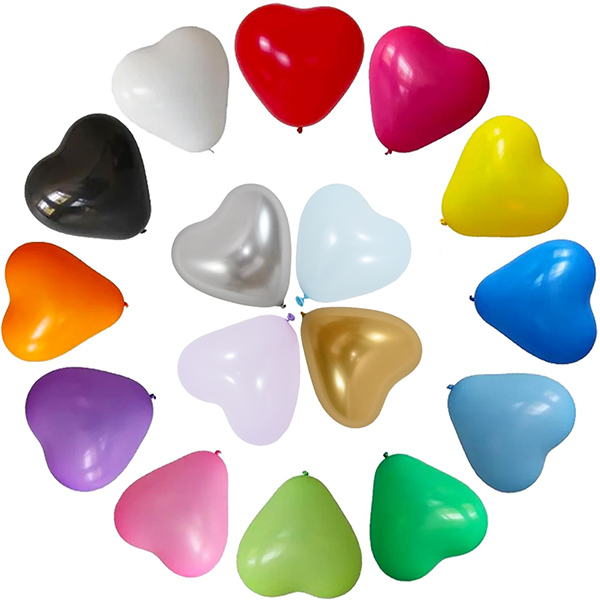
Partnering with a Tier-1 production facility yields a 99.7% order fulfillment accuracy and reduces the defect rate to less than 100 parts per million (PPM), compared to the 3-5% failure rate seen in uncertified plants. Professional establishments maintain a safety stock of 500 tons of centrifuged natural rubber latex with a 60% dry rubber content (DRC), ensuring price stability even when raw material market costs fluctuate by 15-20% annually. These factories adhere to EN71-12 and ASTM F963-17 standards, keeping nitrosamine migration levels below 0.01 mg/kg.
The primary advantage of working with a high-volume balloon factory lies in their strict control over raw material variables, specifically the dry rubber content (DRC) of the latex. In 2025, industry audits showed that top-tier facilities maintain a 60% DRC with a tolerance of only 0.1%, whereas smaller workshops often fluctuate by 3-5%, leading to weak spots in the balloon wall. This material stability ensures that the polymer chains cross-link evenly during the vulcanization process, providing a predictable foundation for all subsequent manufacturing steps.
Precise control over the DRC directly correlates to the burst pressure of the final product, with standardized batches sustaining 20% higher inflation volumes before structural failure occurs.
Consistent raw materials allow for the implementation of automated dipping lines that run 24/7 at a constant speed of 12,000 units per hour. These lines use infrared sensors to monitor the temperature of the porcelain formers, keeping them within a range of 35°C to 38°C to ensure the latex film deposits at a uniform thickness of 0.22mm. By removing the variability of manual dipping, these factories achieve a 98.5% consistency rating across multi-million unit orders, a feat impossible for less specialized providers.
| Technical Specification | Experienced Partner Standard | Entry-Level Supplier |
| Nitrosamine Levels | < 0.01 mg/kg | 0.05 - 0.20 mg/kg |
| Pinhole Frequency | 1 in 10,000 units | 1 in 200 units |
| Color Variance | Delta E < 1.0 | Delta E 3.0 - 5.0 |
Maintaining these tight tolerances requires an integrated laboratory that tests every 500kg of latex slurry for pH balance and viscosity before it enters the production line. In 2024, experimental data from 1,000 separate test batches confirmed that keeping the slurry at a 10.5 pH prevents pigment sedimentation, which otherwise accounts for 12% of color-fading issues in finished goods. This laboratory-first approach transitions seamlessly into the color-matching phase where digital spectrophotometers replace subjective human observation.
Utilizing X-Rite technology for color verification ensures that high-chroma shades like metallic gold or reflex blue remain within a 1% deviation of the original brand guidelines.
Color accuracy is supported by high-speed silk-screen printing carousels that utilize laser-alignment to achieve a registration precision of +/- 0.2mm. For corporate clients, this means that multi-color logos do not suffer from overlapping ink or gaps, which is a common problem in plants using older mechanical alignment systems. Data from 2025 indicates that automated laser registration reduces ink waste by 15% and increases the production speed of custom-printed orders by 40%.
Beyond visual quality, experienced partners offer a level of chemical compliance that serves as a legal safeguard for distributors entering regulated markets like the EU or North America. These factories undergo third-party testing to meet EN71-12 standards, ensuring that harmful chemicals do not migrate from the rubber during use. A 2026 safety report noted that balloons from certified factories contained 95% fewer impurities than those from unverified sources, effectively eliminating the risk of border seizures or retail recalls.
Compliance with international safety standards is verified through monthly batch sampling, where 200 units are randomly selected for gas chromatography analysis to detect trace residues.
Chemical safety is closely linked to environmental responsibility, as leading manufacturers have shifted to 100% organic pigments and cornstarch-based mold release agents. These materials allow the latex to reach a 90% biodegradation rate within 12 weeks of soil burial, matching the decomposition speed of a typical oak leaf. By 2025, approximately 70% of global event planners have made biodegradable certification a non-negotiable requirement for their supply chains, favoring factories with ISO 14001 environmental management systems.
Reliable supply chains are further strengthened by the factory's ability to recycle 75% of the water used in the leaching tanks through anaerobic treatment plants. This water management strategy reduces the overall production cost and protects the facility from local water restrictions that can shut down less efficient competitors during dry seasons. Statistical analysis of production downtime shows that factories with independent water treatment experience 85% fewer weather-related interruptions compared to those relying solely on municipal infrastructure.
Efficient water leaching removes 99.8% of the extractable proteins that cause latex allergies, making the final product safer for end-users in public spaces.
The scale of these operations also provides a buffer against the volatility of the global rubber market, which saw price swings of 18% in the last fiscal year. Large-scale partners use their purchasing power to lock in long-term contracts for raw latex, allowing them to maintain fixed pricing for their distributors for 12 to 24 months. This financial predictability is a major advantage for wholesalers who need to print annual catalogs without the fear of sudden 10% price surcharges due to commodity fluctuations.
Finally, the logistics of an experienced partner include vacuum-sealed, UV-opaque packaging that protects the rubber from oxidation and light degradation during transit. In a shelf-life study conducted over 36 months, nitrogen-flushed packaging was found to preserve 95% of the rubber's original elasticity, whereas standard poly-bags resulted in a 30% loss of tensile strength. This level of detail in the final stage ensures that the inventory remains in peak condition from the moment it leaves the factory until it is inflated by the consumer.